

TL;DR
Conclusion
Without order in information (Digitalisation) and clear relationships (Integration), governance (Automation) will never be effective.
Digitalisation
is about information – making data comprehensible, traceable and useful across the entire lifecycle.
Integration
is about context – connecting systems and flows with clear interfaces and responsibilities.
Automation
is about governance – letting systems act independently based on logic and reliable data.
Digitalisation as a Concept
Digitalisation is one of the most used concepts in contemporary discussions about technology, business development and the future. At the same time, it is one of the most elusive. For some, digitalisation means replacing paper with systems. For others it is about data analytics, automation or new business models. In many contexts, the term is used as a catch-all for anything perceived as modern or technically advanced.
This is why the sequence matters: first create order in information, then connect systems with clear interfaces, then let logic act on reliable data. Inverting this order leads to automation that amplifies uncertainty rather than creating clarity.
In technical environments this becomes particularly clear. Digitalisation can refer to anything from building automation and industrial control systems to IT platforms, integrations and decision support. When the same word is used for such different things, misunderstandings easily arise between business, IT, OT and suppliers.
Why the Concepts Are Often Mixed Up
Digitalisation, integration and automation are closely related, but describe different things. In practice, they are often used interchangeably to describe the same initiative. A project can be described as a digitalisation project even though it is mainly about integration. Automation is sometimes used to describe remote monitoring, while integration is reduced to technical connections.
This lack of precision leads to projects where the objectives, the work and the deliveries are never aligned. When digitalisation, integration and automation are described separately and in relation to each other, the conversation becomes more productive – for business, IT, OT and suppliers alike.
Digitalisation in Technical Environments

In technical environments, digitalisation primarily means making information about systems and facilities available in a structured, usable and long-term form. It is not primarily about installing new systems. It is about how information is organised, owned and used.
Digitalisation creates the conditions for integration and automation by ensuring that data has meaning, context and traceability. Without this foundation, integration becomes a technical puzzle that must be rebuilt with every change, and automation risks acting on incorrect or misunderstood data.
Integration as Architecture

Integration in technical environments is not just about connecting systems. It is about creating structures where information flows in a controlled, comprehensible and maintainable way. Well-designed integration means clear interfaces, defined data flows and explicit responsibility for what is sent, received and handled in each system.
When integration is treated as architecture rather than as individual technical connections, the result is more robust, scalable and possible to change without needing to rebuild from scratch.
Automation as the Expression of Logic
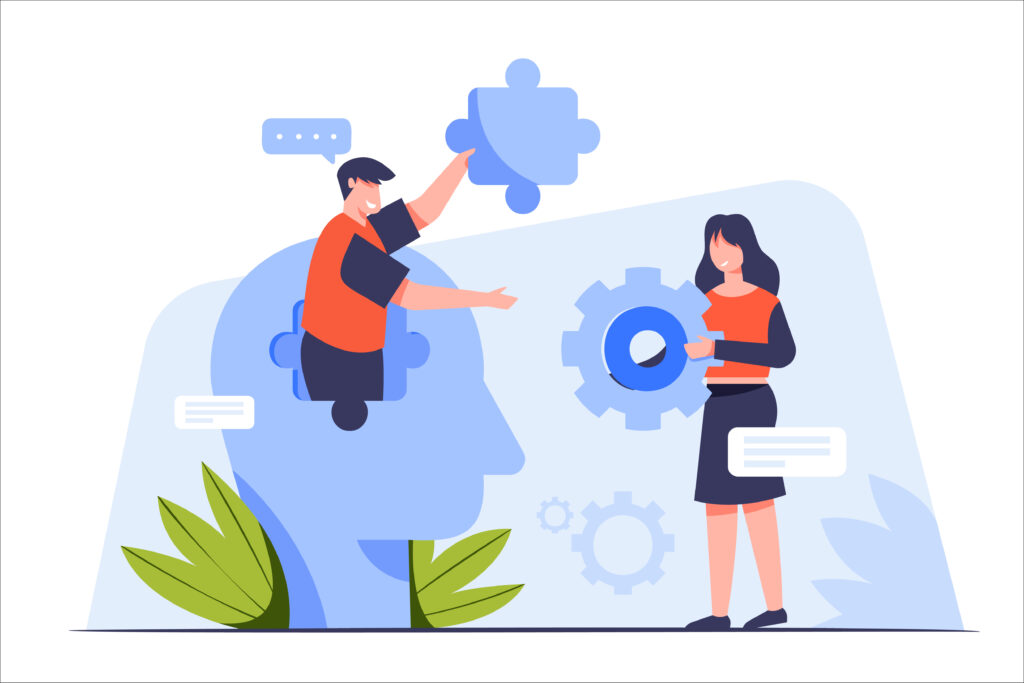
Automation is the layer where information and integration create visible value. Systems act on data, logic governs processes and operations are monitored and improved in real time. But automation is only as reliable as the data it acts on and the integrations that deliver that data.
This is why the sequence matters: first create order in information (digitalisation), then connect systems with clear interfaces (integration), then let logic act on reliable data (automation). Inverting this order leads to automation that amplifies uncertainty rather than creating clarity.
A Lifecycle Perspective

The relationship between digitalisation, integration and automation is not static. As facilities develop, systems are replaced and new requirements arise, all three dimensions must be managed over time. This requires a lifecycle perspective where decisions today are made with an awareness of their consequences in ten years.
Organisations that succeed with this work combine strategic thinking about information and architecture with practical execution in projects – always with the whole picture in mind, not just the current deliverable.
Is your digitalisation built on the right sequence?
We help organisations clarify what digitalisation, integration and automation actually mean in their specific context – and how the three can be built in a sequence that creates sustainable results rather than new technical debt.
Continue reading
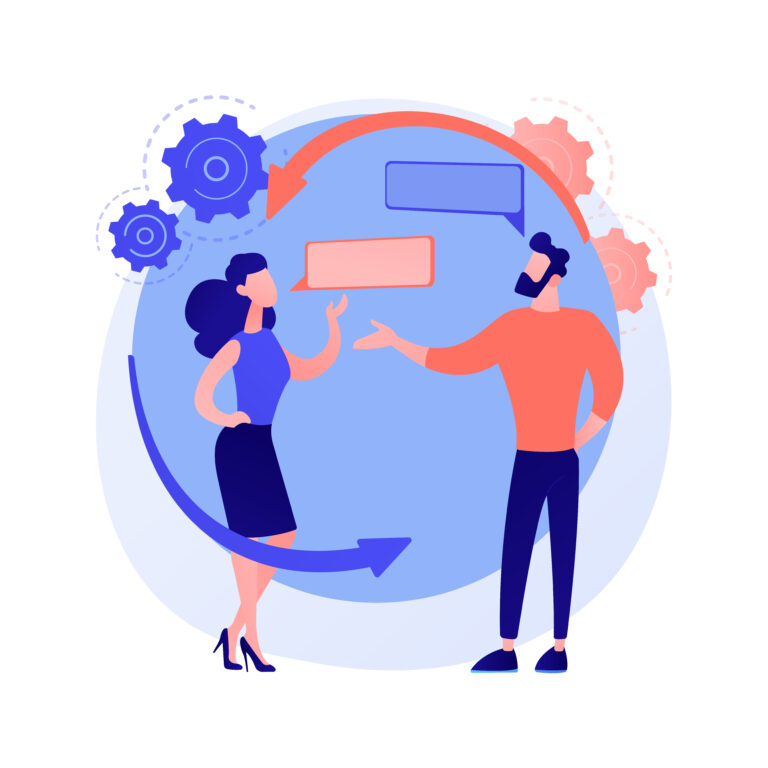
Multidisciplinary Digitalisation: From Silos to Collaboration
Multidisciplinary digitalisation succeeds when business, OT and IT make shared decisions and the owner side takes responsibility for interfaces.
Read article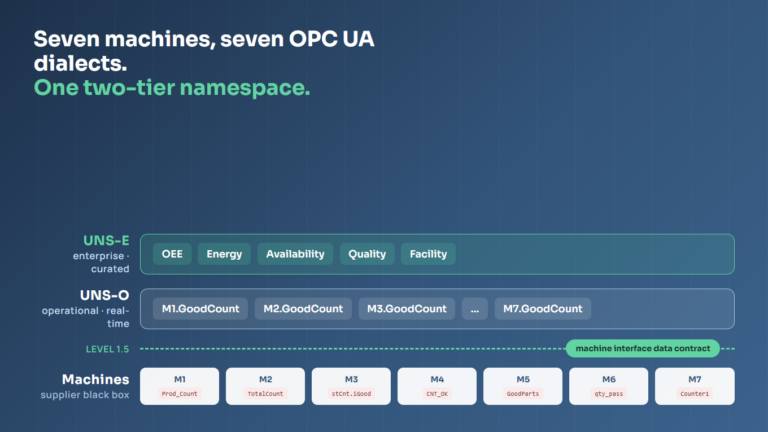
Seven Machines, Seven OPC UA Dialects: Why Complex Operations Need a Two-Tier UNS
A durable two-tier UNS needs machine interface data contracts, a canonical operational namespace, curated enterprise information and explicit ownership.
Read articleWhy Standardisation Is Critical for Digitalisation, Integration and Automation
Standardisation turns shared identities, information rules and verifiable interfaces into long-term digital freedom of action.
Read article
Leave a Reply