


TL;DR
Conclusion
True digitalisation requires that electrical, HVAC, automation, IT and OT disciplines speak the same language and share the same information structures.
The challenge
Disciplines work in silos, each with their own tools, naming conventions and documentation – making integration expensive and data unreliable.
The solution
A cross-disciplinary approach based on shared standards (IEC 81346) and clear interfaces between disciplines.
The effect
Information that flows from sensor to decision support without manual translation – from the first project day to the last day of operation.
The Silo Problem in Complex Projects

Three Perspectives That Must Converge

In modern industrial and building environments, three perspectives must converge for digitalisation to succeed:
- The technical perspective – How systems are built, what they do, how they communicate and what their interfaces are
- The information perspective – How data is named, structured and made traceable across system boundaries
- The organisational perspective – Who owns what, who decides what and how responsibility is allocated when disciplines meet
When only one or two of these perspectives are addressed, the result is a technically connected but informationally fragmented environment.
Getting the Disciplines to Work Together
The most effective tool for creating cross-disciplinary coherence is shared standards – particularly IEC 81346. By requiring that all disciplines use the same reference designation system, the same object appears with the same identity regardless of which system or discipline is looking at it.
Beyond standards, cross-disciplinary work requires:
- Early involvement of all disciplines in information structure decisions
- Clear requirements on suppliers regarding compliance with shared standards
- Explicit ownership of cross-disciplinary information and interfaces
- Verification that information requirements are met – not only that systems function
The Role of the Technical Owner’s Representative
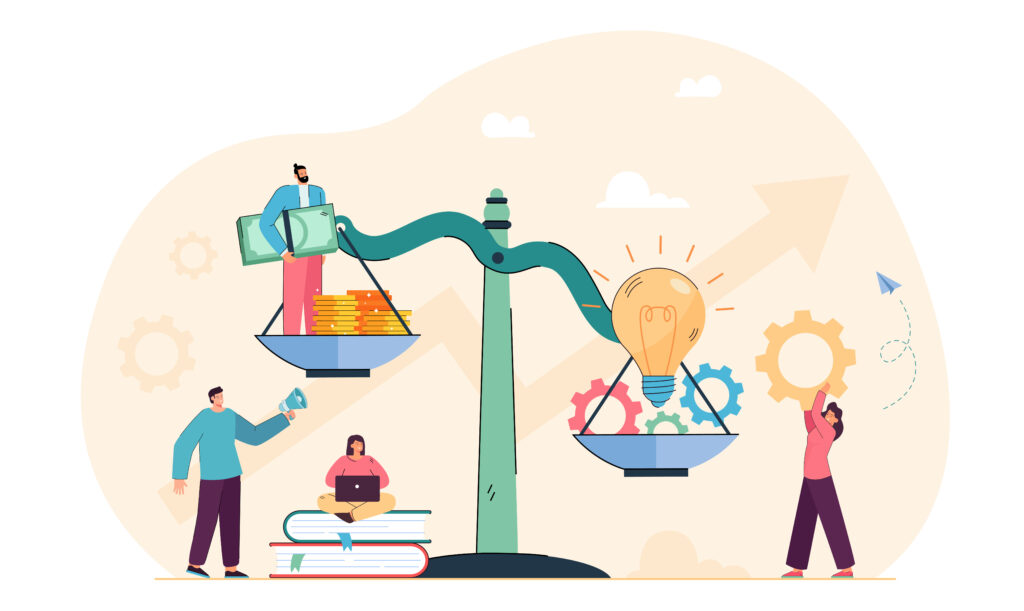
In complex multidisciplinary projects, someone must hold the overall information picture on the owner’s side. This is exactly the role of a technical owner’s representative: to ensure that requirements, interfaces and information structures are defined before procurement, maintained during the project and verified at handover.
Without this role, each discipline optimises for its own delivery – and the interfaces between them are left to chance or to whoever ends up managing the integration.
The whole is greater than the sum of its parts. Future automation is not a question of individual products or suppliers. It is a question of architecture, structure and above all collaboration between people and systems. The one who succeeds in building the bridge between IT, OT and the actual business is the one who will extract the real gains from digitalisation.
Need to break silos between IT, OT and operations?
HubMind helps asset owners establish shared information structures, governance and delivery contracts so multidisciplinary teams can scale without rework.
Continue reading

Digitalisation, Integration and Automation in Practice
Digitalisation orders information, integration creates context and automation lets logic act. The sequence determines the outcome.
Read article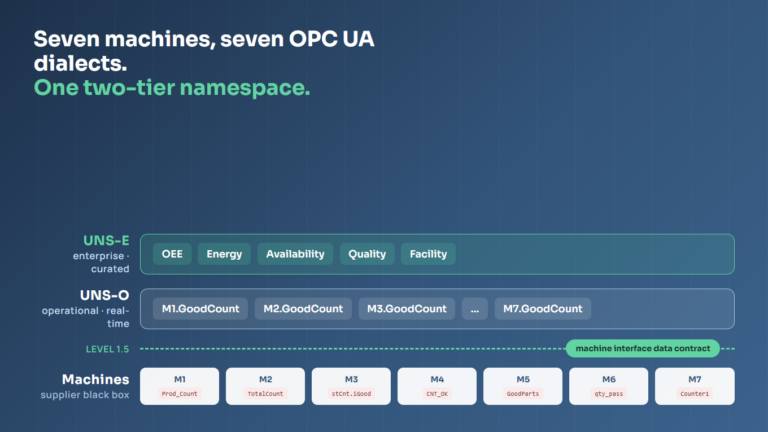
Seven Machines, Seven OPC UA Dialects: Why Complex Operations Need a Two-Tier UNS
A durable two-tier UNS needs machine interface data contracts, a canonical operational namespace, curated enterprise information and explicit ownership.
Read articleWhy Standardisation Is Critical for Digitalisation, Integration and Automation
Standardisation turns shared identities, information rules and verifiable interfaces into long-term digital freedom of action.
Read article
Leave a Reply